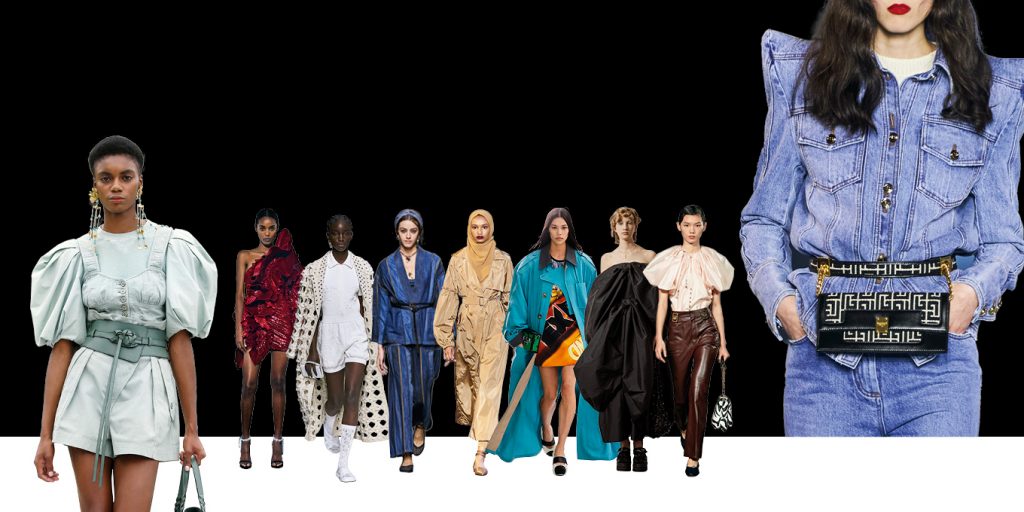
Beyond the Fabric: How Clothing Shapes Social Status and Identity
From the moment early humans first wrapped themselves in animal hides, clothing transcended its primary function. While initially a vital shield against the elements, a hygienic barrier, and a practical tool for carrying necessities, garments quickly evolved into a sophisticated language. Today, clothing remains an indispensable feature of all human societies, a complex tapestry woven from utility, culture, and personal expression. More than just fabric, it's a powerful non-verbal communicator, deeply influencing social status and shaping our very identity.
The Primal Purpose: Protection and Utility
At its core, clothing has always been about survival and comfort. Imagine navigating ancient landscapes without protection from the biting cold, scorching sun, or abrasive surfaces. Early garments provided essential insulation against extreme temperatures, acting as a crucial barrier against harsh winds, rough terrain, sharp stones, and even insect bites. The archaeological record, supported by genetic studies of body lice divergence around 170,000 years ago, suggests that anatomically modern humans habitually used body coverings long before recorded history, primarily for ecological protection.
Beyond rudimentary defense, clothing offers multifaceted utility:
- Environmental Shield: It guards against UV radiation, reduces glare (think brimmed hats), and provides a hygienic barrier, keeping infectious and toxic materials at bay.
- Injury Prevention: Specialized attire protects feet from injury, facilitates movement in varied environments, and shields wearers in hazardous occupations, sports, or warfare.
- Practicality: With the advent of pockets, belts, and loops, clothing became a portable carrying system, freeing hands for other tasks.
Even in our modern world, where synthetic fibers and advanced materials offer unparalleled durability and functionality, these foundational protective roles remain paramount. From high-performance sportswear to specialized industrial uniforms, the utility of clothing continues to adapt and evolve with human needs and technological progress.
Clothing as a Social Barometer: Status and Wealth
While protection might have been the initial driver, it wasn't long before what we wore began to signify who we were, or aspired to be, within a community. Clothing quickly became a potent symbol of social standing, wealth, and power. Historically, sumptuary laws dictated who could wear certain fabrics, colors, or styles, directly linking attire to class. Imperial purple was reserved for Roman emperors, silk for the elite in many Asian societies, and elaborate lace for European nobility.
Today, the cues might be more subtle, but they are no less impactful:
- Quality and Craftsmanship: The cut of a suit, the drape of a fabric, or the hand-stitched details of a bag can silently broadcast a message of affluence and discernment.
- Brand Recognition: Designer labels, luxury logos, and exclusive collections are often overt signals of economic status and access to high-end fashion.
- Contextual Appropriateness: Understanding and adhering to dress codes in professional or formal settings can signal respect, competence, and a grasp of social norms, often associated with higher social strata.
In professional environments, "dressing for success" is more than a cliché; it's a strategic move. Studies show that individuals dressed in high-status garments are often perceived as more confident, capable, and trustworthy. This perception can open doors, influence negotiations, and enhance career progression. Being attuned to these unspoken signals, and understanding how to leverage your wardrobe, can be a powerful tool in navigating social and professional landscapes.
Weaving Identity: Group Affiliation and Individual Expression
Beyond individual status, clothing plays a crucial role in forming and communicating group identity. Uniforms, for example, instantly categorize individuals as part of a collective – be it a school, a military branch, a sports team, or a corporate entity. They foster a sense of belonging and reinforce shared purpose. Cultural attire, passed down through generations, celebrates heritage and signifies adherence to specific traditions or religious beliefs. Consider the vibrant patterns of a saree, the distinctive cut of a kimono, or the humble simplicity of religious vestments – each tells a story of collective identity.
Yet, within these frameworks, clothing also serves as a powerful medium for individual expression. Fashion is a constant dialogue between conformity and rebellion, belonging and differentiation. Personal style allows us to:
- Declare Our Personality: Bright colors, edgy designs, or minimalist aesthetics can reflect our inner world and communicate aspects of our personality without uttering a single word.
- Align with Subcultures: From the defiant leather of punk to the ethereal aesthetics of cottagecore, clothing allows individuals to identify with specific subcultures and find like-minded communities.
- Experiment and Evolve: Our personal style isn't static; it evolves with our experiences, beliefs, and aspirations, offering a dynamic canvas for self-discovery and transformation.
Developing a personal style is an introspective journey. It involves understanding your body type, your comfort levels, and most importantly, what truly resonates with your authentic self. It's about curating a wardrobe that not only fits well but also tells your unique story, allowing you to project confidence and individuality in every interaction.
The Unspoken Language: Modesty, Morality, and Social Norms
One of the most profound social dimensions of clothing is its connection to modesty and societal norms. What constitutes "appropriate" attire is highly variable across cultures and contexts, yet the underlying principle of covering certain body parts is a near-universal social convention. In many parts of the world, public exposure of genitals, breasts, or buttocks is considered indecent, leading to feelings of embarrassment or even legal repercussions.
The extent of coverage varies significantly:
- In equatorial regions, minimal attire might be practical and culturally acceptable.
- In more temperate or conservative societies, layered clothing and specific coverages are expected.
- The pubic area or genital coverage is perhaps the most frequently encountered minimum across diverse cultures, underscoring the deep-seated social rather than purely practical basis of these customs.
These norms dictate how we dress for different occasions – from solemn ceremonies to casual outings, from professional meetings to religious services. Dressing "appropriately" is a sign of respect for the occasion, the people present, and the cultural context. Deviating too far from these norms can lead to social ostracization or misunderstanding, highlighting the unspoken power of clothing to enforce social order and communicate adherence to shared moral frameworks. As societies evolve, so do these norms, often influenced by global fashion trends, social movements, and generational shifts, creating a dynamic interplay between tradition and contemporary expression.
In conclusion, clothing is far more than mere fabric. From its ancient origins as a vital shield to its contemporary role as a complex social signifier, it profoundly shapes our interactions, communicates our affiliations, and expresses our deepest identities. It's a universal language understood across cultures, a barometer of social status, and a canvas for personal expression. As we navigate the world, our choices in attire continue to be a powerful, silent declaration of who we are, where we belong, and what we wish to convey, perpetually reinforcing its place beyond the fabric and at the heart of human experience.